


Common Causes of Engine Overheating in Kenya Leave a comment
Common Causes of Engine Overheating in Kenya
Engine overheating is one of the most common and serious mechanical problems faced by drivers in Kenya. Whether you are navigating heavy traffic in Nairobi, driving long distances on highways, or traveling through rough terrain upcountry, your vehicle’s cooling system is constantly working to regulate engine temperature. When something goes wrong, overheating can occur quickly and lead to costly engine damage.
Understanding the common causes of engine overheating in Kenya can help you prevent breakdowns, reduce repair costs, and extend the life of your vehicle.
How the Engine Cooling System Works
To understand overheating, it is important to first understand how the cooling system operates. When your engine runs, internal combustion generates intense heat. Coolant circulates through engine passages, absorbing this heat, and then flows to the radiator. The radiator releases the heat into the surrounding air before the cooled liquid cycles back into the engine.
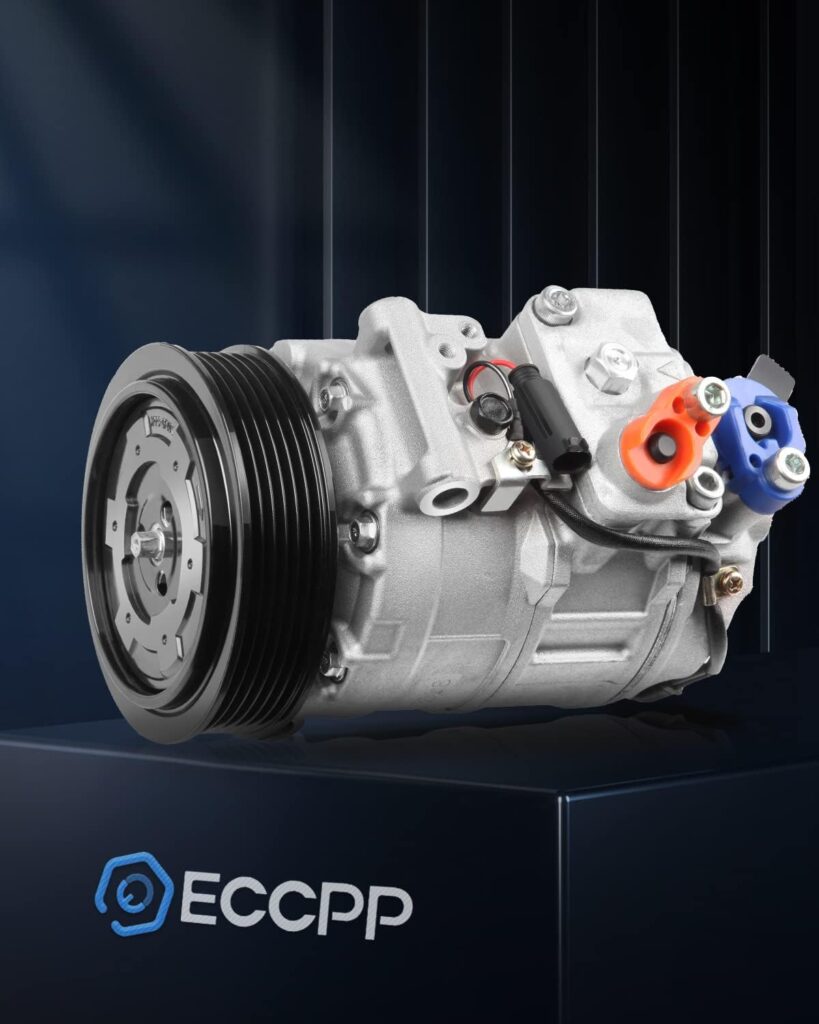
This continuous process keeps the engine operating within a safe temperature range. The main components involved include the radiator, thermostat, water pump, cooling fan, radiator cap, hoses, coolant, and engine oil. If any of these parts fail, the system becomes inefficient and overheating can occur.
- Low Coolant Levels
Low coolant is one of the leading causes of overheating in Kenya. Coolant may drop due to leaks, evaporation, or poor maintenance. Without sufficient coolant, heat cannot be effectively absorbed and carried away from the engine.
Leaks may come from damaged hoses, cracked radiators, worn water pumps, or failing gaskets. Some drivers continuously top up coolant without addressing the root cause, which eventually leads to severe overheating.
- Radiator Blockage or Damage
The radiator is responsible for cooling the heated coolant before it returns to the engine. In Kenya, dusty roads and debris can clog the radiator fins externally, restricting airflow. Internally, rust and sludge buildup can block coolant passages.
A clogged or damaged radiator cannot dissipate heat efficiently, causing engine temperatures to rise, especially during long drives or heavy traffic.
- Faulty Thermostat
The thermostat controls coolant flow based on engine temperature. It remains closed when the engine is cold and opens once the engine reaches operating temperature. If it gets stuck in the closed position, coolant cannot circulate to the radiator.
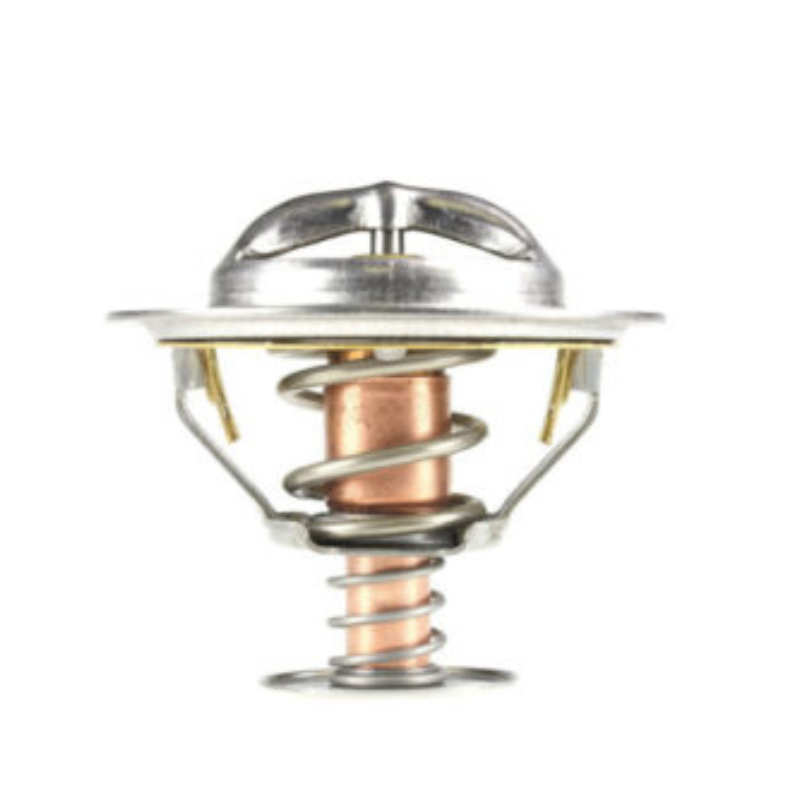
This leads to rapid temperature spikes. Thermostat failure is common and often inexpensive to fix, but if ignored, it can result in major engine damage.
- Water Pump Failure
The water pump circulates coolant throughout the engine and radiator. If the pump fails due to worn bearings, internal damage, or leaks, coolant circulation slows or stops completely.
Without proper flow, heat builds up inside the engine. Signs of water pump issues include coolant leaks near the pump area, grinding or whining noises, and persistent overheating despite adequate coolant levels.
- Cooling Fan Problems
Nairobi traffic places heavy demand on vehicle cooling systems. When a car is stationary or moving slowly, natural airflow through the radiator is minimal. The cooling fan becomes essential at this point.

If the fan motor, relay, sensor, or wiring fails, the fan may not activate. This typically causes overheating in traffic but not at highway speeds.
- Radiator Cap Failure
The radiator cap maintains pressure inside the cooling system. This pressure increases the boiling point of coolant, allowing it to handle higher temperatures. If the cap is weak or damaged, pressure drops and coolant may boil prematurely.
A faulty radiator cap is often overlooked but can significantly affect cooling performance.
- Damaged or Collapsed Hoses
Coolant hoses transport fluid between the engine and radiator. Over time, they may crack, leak, or collapse internally. A collapsed hose restricts coolant flow, while a leaking hose reduces coolant levels.
Routine inspection and timely replacement of hoses can prevent sudden breakdowns.
- Engine Oil Issues
Engine oil reduces friction between moving parts. Low oil levels or degraded oil increase friction and internal heat. While oil is not the primary cooling agent, it plays an important role in temperature regulation.
Regular oil changes and maintaining proper oil levels contribute to overall engine cooling.
- Heavy Loads and Harsh Driving Conditions
Many vehicles in Kenya are used for long distance travel, commercial transport, or off road driving. Carrying heavy loads increases engine workload and heat production.
High ambient temperatures and steep terrain also add strain to the cooling system. Without proper maintenance, overheating becomes more likely.
- Head Gasket Problems
A blown head gasket can cause coolant to leak into engine cylinders or oil passages. This reduces cooling efficiency and causes rapid overheating.
Common symptoms include white smoke from the exhaust, milky engine oil, and continuous coolant loss without visible leaks. This condition requires immediate professional attention.
How to Prevent Engine Overheating
Preventive maintenance is the best defense against overheating. Regularly check coolant levels and use the correct coolant type recommended by your vehicle manufacturer. Flush the cooling system periodically to remove debris and corrosion.
Inspect hoses, radiator condition, and cooling fan operation. Replace worn thermostats and radiator caps promptly. Ensure engine oil is clean and maintained at proper levels.
Most importantly, pay attention to your temperature gauge. Acting early can save you from expensive engine repairs.
What to Do If Your Car Overheats
If you notice your temperature gauge rising beyond normal levels or see steam from under the bonnet, pull over safely and turn off the engine. Do not attempt to open the radiator cap while the engine is hot.
Allow the engine to cool completely before checking coolant levels. Seek professional diagnosis to identify and fix the underlying problem.
Conclusion
Engine overheating is a common challenge in Kenya due to traffic congestion, high temperatures, long distance travel, and demanding driving conditions. The most frequent causes include low coolant levels, radiator issues, thermostat failure, water pump problems, cooling fan malfunction, damaged hoses, and head gasket failure.
Regular maintenance and timely replacement of faulty cooling system components are essential for protecting your engine. If you are experiencing overheating problems or need quality radiators, thermostats, hoses, or other cooling system parts, visit Jaymax Auto in Nairobi. Get reliable parts and expert support to keep your engine running cool, efficient, and dependable on every journey.
